
Is Your Roof Hiding a Leak? The Dangers of Old Caulking and Wind Damage
A roof leak doesn’t always start with a catastrophic storm or a falling tree. More often, it begins with small, “invisible” problems that are easy to overlook: aging sealant and loosened shingles.
At Anjco Roofing Ltd, we specialize in identifying these minor maintenance gaps before they turn into expensive interior repairs. Here is what every homeowner needs to know about the two most common “silent” roof killers.
1. The Vulnerability of Old Caulking (Roof Sealant)
Caulking is your roof’s first line of defense in high-risk areas. It creates a watertight barrier around “penetrations”—anywhere something pokes through your roof.
Where Sealant Matters Most:
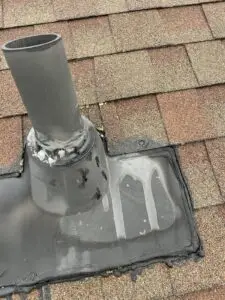
Roof Vents & Pipes: The base of every vent is a potential entry point.
Chimneys & Skylights: Large structures require heavy-duty sealing at the joints.
Flashing: Metal strips that direct water away from walls and valleys.
Exposed Fasteners: Even a tiny nail head can leak if its sealant cap has eroded.

plumbing vent stack
Why It Fails
Over time, constant UV exposure and seasonal temperature swings cause caulking to dry out, shrink, and crack. Once the seal is broken, gravity pulls water directly into your attic.
Red Flag: If you see “shredded” or peeling sealant from the ground, or notice water stains on the ceiling specifically during heavy rain, your caulking has likely reached the end of its life.
2. How Wind “Lifts” Shingles (Even if They Don’t Fly Off)
Many homeowners believe that if they don’t see shingles lying in their yard, their roof is fine. This is a common misconception. High winds cause a phenomenon known as “shingle lifting.” When wind speeds pick up, the pressure can break the adhesive thermal seal that holds shingles together.
The Hidden Dangers of Wind Damage:
The “Flap” Effect: A lifted shingle may settle back down, looking normal, but the seal is broken. The next rain will be driven under the shingle by the wind.
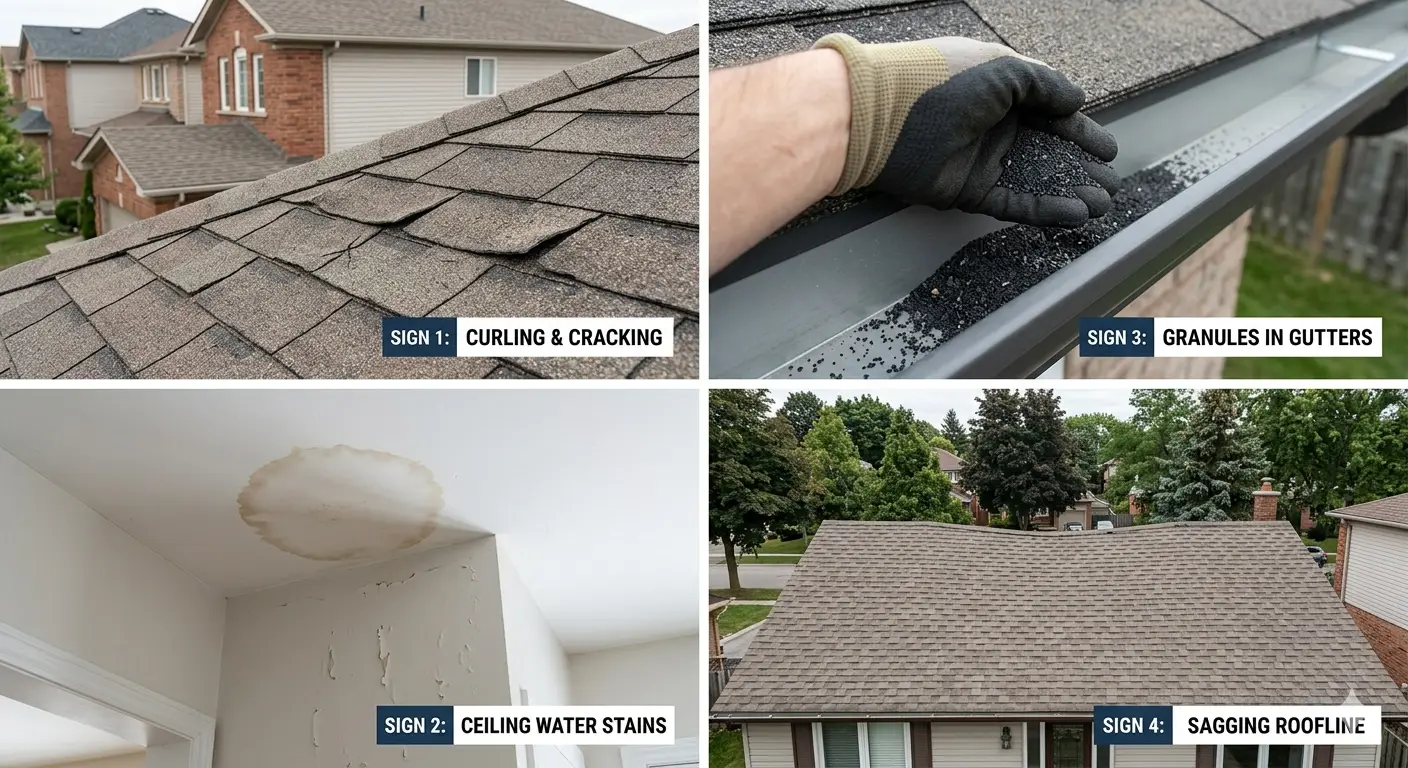
Granule Loss: Wind-blown debris scours the shingles, removing the protective granules and leaving the asphalt exposed to rapid sun damage.
Creased Shingles: If a shingle is folded back by wind, it creates a permanent “crease” line that weakens the material and eventually snaps.
3. The “Double Threat” Combination
The most severe leaks occur when old caulking and wind damage work together. 1. Stage 1: Brittle caulking creates a tiny gap around a chimney. 2. Stage 2: A windstorm lifts the nearby shingles, creating a “funnel” for rainwater. 3. Stage 3: Water enters the gaps, soaks the roof deck, and leads to mold or structural rot.
Warning Signs Your Roof Needs a “Health Check”
Check your home for these indicators to avoid a full roof replacement:
Visible Gaps: Sealant that has separated from the chimney or vent.
Debris: Shingle granules (looking like coarse sand) in your gutters or at the base of downspouts.
Loose Flashing: Metal joints that look warped or “popped” out.
Interior Signs: Bubbling paint, damp drywall, or musty smells in the attic.
The Anjco Professional Advantage
Patching a leak yourself can often trap moisture inside, making the problem worse. At Anjco Roofing Ltd, our professional repair process ensures a long-term fix:
Full Removal: We don’t just “layer” new caulk over old; we remove the failed material to ensure a clean, watertight bond.
High-Grade Materials: We use industrial-strength, weather-rated sealants designed to withstand extreme temperature shifts.
Strategic Shingle Replacement: We replace wind-damaged shingles and re-seal loosened ones to restore your roof’s structural integrity.
🏠 Don’t Wait for the Next Storm
Regular maintenance is the difference between a minor repair and a major disaster. We recommend a professional inspection at least once per year or after any significant wind event.
Protect your home and your investment. Contact Anjco Roofing Ltd Today to Schedule Your Inspection