
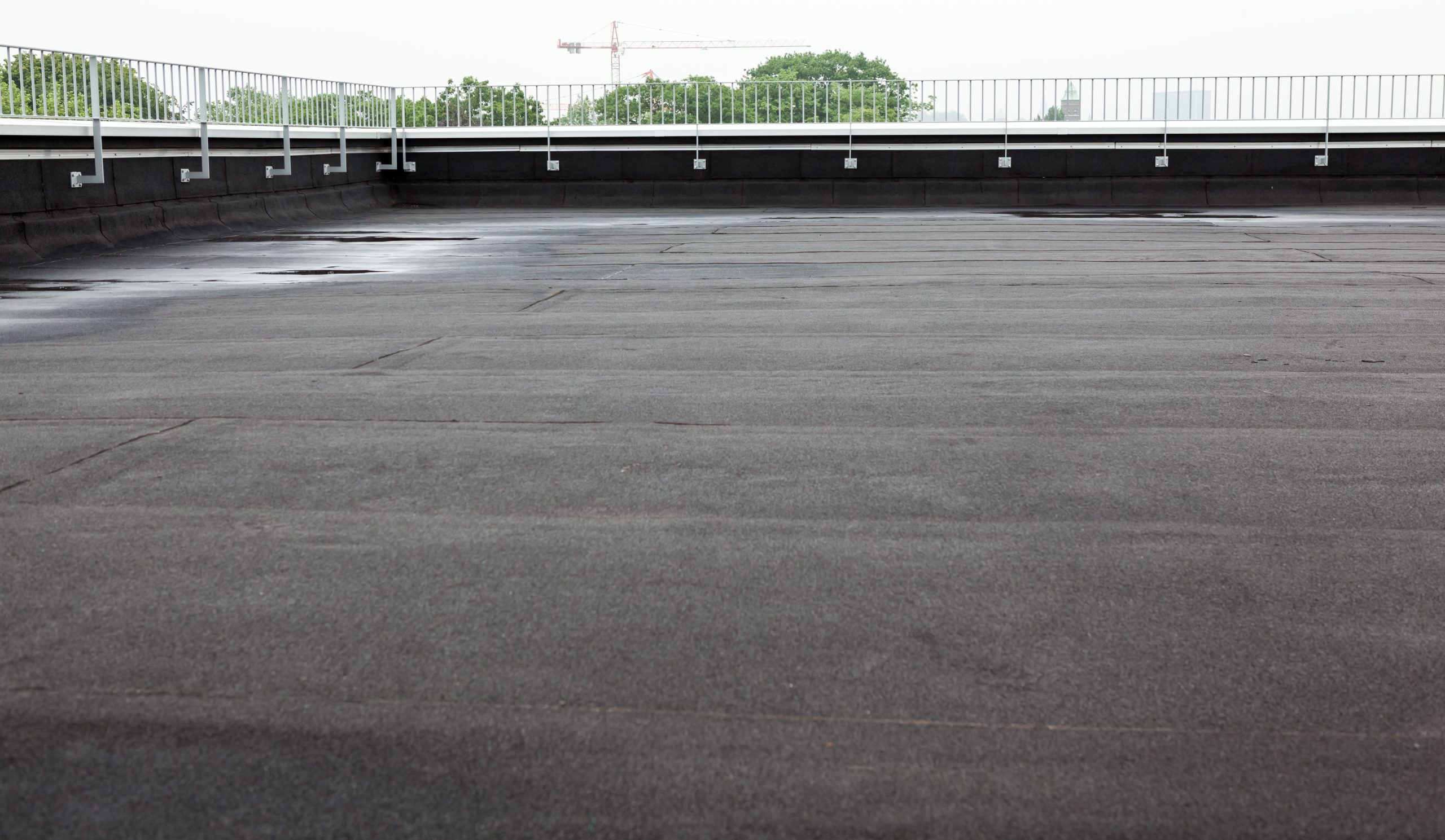
Flat Roof Repair for Commercial Properties: Protect Your Investment and Extend Roof Lifespan
| Anjco Roofing Ltd. |
A flat roof is a critical asset for any commercial property, offering structural support, weather protection, and energy efficiency. However, without regular maintenance and timely flat roof repair, small issues can quickly escalate into costly structural damage.
Proactive commercial flat roof maintenance not only prevents leaks and water intrusion but also extends the lifespan of your roofing system, protects interior assets, and reduces long-term repair expenses. Whether you manage an office building, retail center, warehouse, or industrial facility, investing in professional flat roof repair services ensures long-term durability and performance.
Common Flat Roof Problems in Commercial Buildings
Understanding the most frequent flat roof issues can help property owners act quickly and avoid expensive repairs.
1. Weathering and UV Damage
Flat roofs endure constant exposure to harsh weather conditions, including heavy rain, snow, wind, and intense UV radiation. Over time, UV rays can cause:
Cracking and blistering
Membrane shrinkage
Surface deterioration
Reduced waterproofing performance
Without timely repair, weather damage can compromise the entire roofing system.
2. Roof Leaks and Moisture Intrusion
Roof leaks are among the most common flat roof repair concerns. Water can penetrate through:
Damaged seams
Cracked flashing
Worn-out membranes
Punctures in roofing materials
If left untreated, moisture infiltration may lead to mold growth, insulation damage, structural rot, and increased energy costs.
3. Ponding Water and Poor Drainage
Although flat roofs are designed with a slight slope for drainage, improper installation or structural settling can cause sagging areas. This leads to:
Standing (ponding) water
Accelerated membrane wear
Increased structural stress
Higher risk of leaks
Proper drainage is essential for long-term roof performance.
4. Identifying Roof Damage: Professional Inspection Methods
Routine roof inspections are crucial for early problem detection. Look for:
Water stains on ceilings
Soft spots or sagging areas
Cracked or lifting seams
Blistering or bubbling
Professional roofing contractors may use advanced tools such as:
Thermal imaging
Moisture meters
Infrared scanning
These methods provide accurate assessments and targeted repair strategies.
Tools and Safety Measures for Flat Roof Repair
Essential Tools for Commercial Roof Repair
Effective flat roof repair requires specialized tools, including:
Roofing shovel
Utility knife
Caulking gun
Roofing adhesives and sealants
Heat gun
Pressure washer
Basic hand tools
The exact equipment depends on the roofing material (TPO, EPDM, modified bitumen, etc.).
Safety Guidelines for Roof Repairs
Roof repair involves working at height and around rooftop equipment. Always:
Wear gloves, goggles, and slip-resistant boots
Use a safety harness when required
Secure ladders and scaffolding properly
Follow manufacturer guidelines
Be cautious around HVAC units and electrical systems
Safety should always be the top priority during commercial roof repair projects.
Step-by-Step Flat Roof Inspection Guide
Step 1: Prepare for the Inspection
Choose clear weather conditions
Gather safety gear and tools
Review previous inspection reports
Preparation ensures a thorough and safe evaluation.
Step 2: Inspect the Entire Roof Surface
Pay close attention to:
Seams and flashing
Roof penetrations
Drainage systems
Surface cracks or punctures
Signs of mold or water damage
A comprehensive inspection helps identify both visible and hidden issues.
Step 3: Document All Findings
Take detailed notes and photographs of:
Damaged areas
Standing water
Membrane deterioration
Proper documentation supports maintenance planning and insurance claims if necessary.
Temporary Flat Roof Repairs vs. Permanent Solutions
Emergency Roof Repairs
In urgent situations, temporary fixes can prevent further damage. Common emergency flat roof repair solutions include:
Patching damaged sections
Applying waterproof sealants
Reinforcing seams
Covering exposed areas
These short-term repairs protect the building until permanent solutions are implemented.
Long-Term Commercial Roof Repair Solutions
While temporary fixes are helpful, professional roofing contractors provide lasting solutions by:
Identifying root causes
Repairing or replacing damaged membranes
Improving drainage systems
Reinforcing structural weaknesses
Applying protective roof coatings
Professional intervention ensures durability, compliance with building codes, and warranty protection.
Frequently Asked Questions About Flat Roof Repair
What is the best method for flat roof repair?
The best repair method depends on the type and extent of damage. Solutions may include membrane patching, flashing repair, roof coating application, or partial roof replacement. A professional assessment ensures the most effective approach.
Can a flat roof be repaired instead of replaced?
Yes. Most flat roofs can be repaired if the damage is localized and the overall structure remains sound. Timely intervention often prevents full replacement.
Are there energy-efficient flat roofing options?
Yes. Cool roofs and green roofing systems improve insulation, reduce heat absorption, and lower energy costs while minimizing environmental impact.
How long does flat roof replacement take?
Replacement timelines depend on roof size, material, and weather conditions. Large commercial roofs may take several days to weeks. A professional contractor can provide an accurate estimate.
Is DIY flat roof repair recommended?
Flat roof repair requires technical expertise, safety precautions, and proper tools. DIY attempts may lead to improper sealing or further damage. Hiring a licensed roofing contractor is strongly recommended.
Protect Your Commercial Property with Professional Flat Roof Repair
Timely flat roof repair is essential for protecting your commercial building, maintaining energy efficiency, and avoiding costly structural damage. Regular inspections, preventive maintenance, and professional repair services significantly extend the lifespan of your roofing system.
By addressing issues early and investing in expert solutions, you safeguard your property, reduce long-term expenses, and ensure reliable protection against the elements.
If your commercial flat roof shows signs of damage, schedule a professional inspection today to secure long-term performance and peace of mind.