
Roof Heating Cable Installation in Toronto & GTA | Anjco Roofing Ltd.
Prevent Ice Dams Fast: Best Roof Heating Cables for 2026
Winter in Toronto and the Greater Toronto Area (GTA) can be brutal on your roof. Heavy snowfall, freezing rain, and repeated freeze-thaw cycles create the perfect conditions for ice dams, blocked gutters, and roof leaks.
At Anjco Roofing, we provide professional roof heating cable installation in Toronto & GTA to protect homes from costly winter damage. Properly installed along eaves, valleys, and gutters, heating cables keep meltwater flowing and stop ice buildup before it becomes a serious problem.
In this guide, you’ll learn:
✅ What roof heating cables do and how they prevent ice dams
✅ Key benefits for Toronto homeowners
✅ Where they should be installed for maximum effectiveness
✅ Maintenance and safety best practices
✅ Why professional installation matters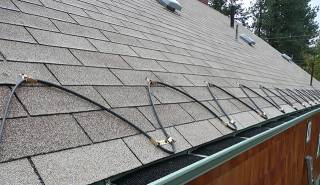
What Are Roof Heating Cables?
Roof heating cables (also called de-icing cables or heat trace cables) are durable electrical wires installed along critical roof areas. They create controlled warmth that prevents snow and ice from freezing in place.
Instead of allowing melting snow to refreeze at the roof edge, heating cables maintain a clear drainage path so water flows safely into gutters and downspouts.
In the Toronto & GTA climate, where daytime melting is followed by overnight freezing, this protection is essential—especially for:
– Homes with complex rooflines
– North-facing slopes
– Poorly ventilated attics
– Roofs with a history of ice dams
How Roof Heating Cables Work
Roof heating systems operate automatically during freezing conditions to protect your home:
– Thermostat activation: Systems turn on when temperatures drop near freezing.
– Gentle, continuous heat: Cables warm roof edges without overheating shingles.
– Clear drainage channels: Meltwater flows into gutters instead of pooling.
– Ice dam prevention: Stops water from backing up under shingles or flashing.
Unlike temporary solutions like snow removal, heating cables actively protect your roof throughout winter storms.
5 Benefits of Installing Roof Heating Cables in Toronto
1. Prevent Ice Dams
Ice dams are one of the leading causes of winter roof leaks in Ontario. Heating cables stop ice ridges from forming at the eaves.
2. Protect Gutters & Downspouts
Heavy ice can bend or detach gutters. De-icing cables keep water moving and reduce weight strain.
3. Reduce Roof Leaks
By preventing meltwater backup, cables help stop interior water damage to ceilings, insulation, and drywall.
4. Minimize Structural Stress
Freeze-thaw cycles can weaken shingles, fascia boards, and flashing. Heating cables reduce expansion damage.
5. Extend Roof Lifespan
Preventing moisture intrusion helps maximize the life of your roofing system.
Roof Heating Cables vs. Other Ice Prevention Methods
| Ice Prevention Method | Effectiveness | Cost | Best For |
|---|---|---|---|
| Roof Heating Cables | High | Moderate | Immediate winter protection |
| Snow Raking | Medium | Low | Small, single-storey homes |
| Attic Insulation Upgrade | High | High | Long-term efficiency |
| Ventilation Improvements | High | High | Preventing heat buildup |
While insulation and ventilation improvements are critical long-term solutions, roof heating cables provide instant protection during active snowfall—making them ideal for homes across Toronto and the GTA.
Where Roof Heating Cables Work Best
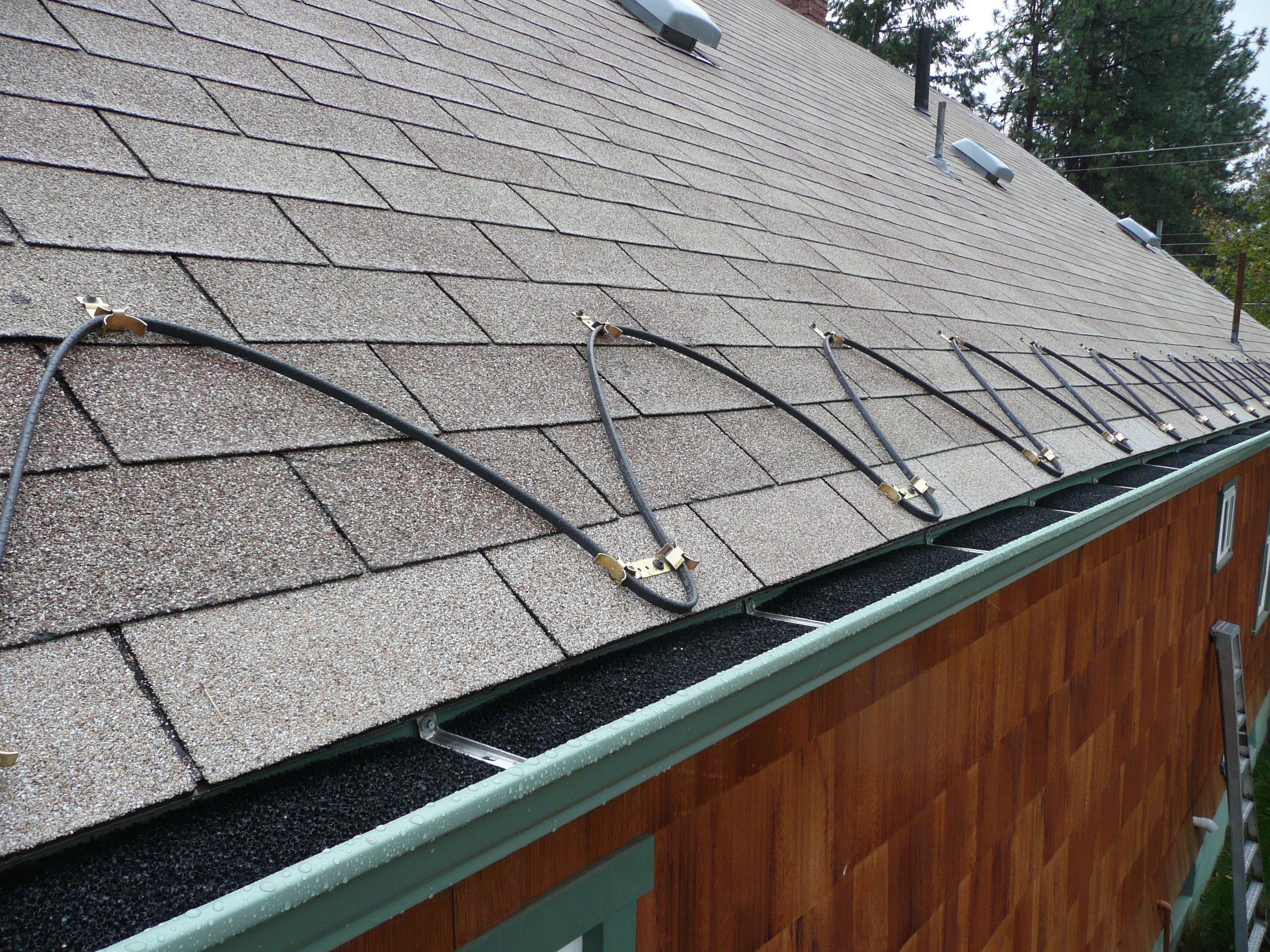

– Roof Eaves: Prevent ice buildup along the coldest roof edge
– Valleys: Allow intersecting slopes to drain properly
– Gutters & Downspouts: Keep drainage channels open
– North-Facing Sections: Manage shaded areas that stay frozen longer
Improper installation can reduce effectiveness or increase energy use—professional layout planning makes all the difference.
Common Roof Problems Heating Cables Prevent
Toronto winters expose every weak point in a roofing system. Heating cables help prevent:
– Ice dams and roof edge buildup
– Gutter detachment from heavy ice
– Interior leaks and ceiling stains
– Shingle damage from freeze-thaw expansion
– Costly emergency winter roof repairs
Even well-insulated homes benefit during sudden temperature swings common in Southern Ontario.
5 Tips for Safe & Efficient Use
– Install in fall before first snowfall
– Use a thermostat to limit energy use
– Inspect wiring annually
– Keep gutters clean
– Turn off when temperatures remain above freezing
Proper seasonal maintenance ensures your system lasts 10–15 years or more.
Professional Installation vs. DIY
While short cable runs may appear simple, full-system installation should be handled by experienced roofing professionals.
Incorrect installation can lead to:
– Uneven heat distribution
– Electrical hazards
– Damaged shingles
– Increased energy costs
At Anjco Roofing, our team ensures:
– Proper cable spacing and fastening
– Safe electrical connections
– Roof-safe clip installation
– System load compatibility
– Complete winter performance testing
We customize every installation for Toronto’s climate and your specific roof design.
FAQs About Roof Heating Cables
Do heating cables increase electricity bills?
Most systems are energy-efficient and only activate during freezing conditions.
Can they run all winter?
They should only operate when snow is present and temperatures are near freezing.
Are they safe for metal roofs?
Yes, when rated for metal applications and professionally installed.
Do they replace insulation upgrades?
No. They work best alongside proper attic insulation and ventilation.
Protect Your Home with Anjco Roofing
Roof heating cables are one of the most effective ways to prevent ice dams, winter roof leaks, and gutter damage in Toronto and the GTA. But they work best as part of a complete roofing strategy.
Anjco Roofing provides:
– Roof heating cable installation
– Winter roof inspections
– Emergency roof repairs
– Ice dam solutions
– Full roof replacements
Don’t wait for water stains to appear on your ceiling.